

An aloe gel, being registered in public
Opened 9 September 2026. Last updated 24 September 2026.
This is one file, published as it moves.
On the day it was opened the product was classified, a claim was flagged, a twenty-nine item document request was written against these three variants and these two pack sizes, and a file was assembled with a hashed index and its fourteen gaps written down. As at 24 September 2026, the documents are still being collected: the request is open and none of the twenty-nine items has come in yet. Both halves of that are the point: day one is what we do, and the wait is what this work actually waits on.
The product
PremaNature's Organic Aloe Vera Gel, made in India. Cold-processed, sold in 50 g and 300 g jars, in three variants: unscented, geranium and lemon. The client account on file reads "PremaNature (SkandaBio Organics)".
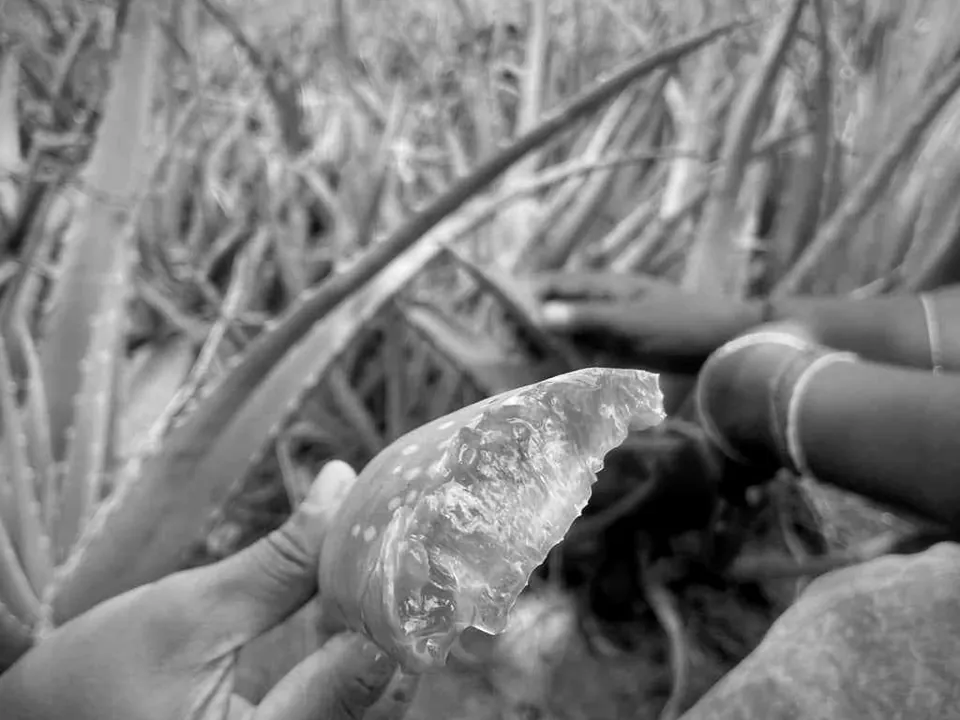
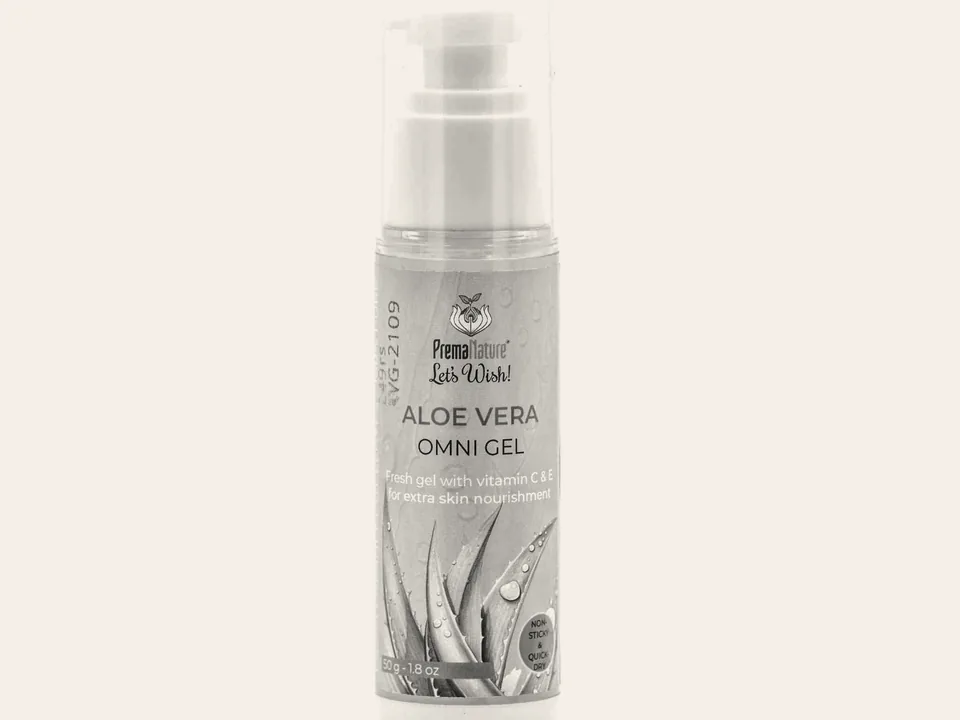
It was live on the store and had already shipped to customers in France, the United Kingdom and Australia before any of this was opened. That is the honest starting position, and it is the same position a great many brands are in.
For the EU, placing on the market is defined in Art. 2(1)(h), Reg. (EC) 1223/2009 as a cosmetic product's “first making available … on the Community market” — which for this gel was the opening French order, not a future launch date. The obligations in Art. 4(1), Art. 10 and Annex I, Art. 11(1) and Art. 13(1) attach at that moment. None of the four was in place on that date. This page is the record of putting them in place.
Art. 4(5) makes each importer the responsible person for an imported product it places on the market. That does not help here: the gel went from the brand's store to a customer in France with no EU importer in the chain, so there was no importer for Art. 4(5) to attach to and no person designated under Art. 4(1). A brand selling through an EU distributor or importer is in a different position — Art. 4(6) puts the role on a distributor placing under its own name or trademark — and should check who in its chain already holds it.
This page is about the EU. The gel also shipped to the United Kingdom; that is separate work and it is not dealt with here.
What was done, 9 September 2026
Classification. A leave-on body gel, and a cosmetic product within Art. 2(1)(a). No borderline question with a biocide, a medicine or a device.
One claim flagged. The copy on file carried "100% natural", "chemical-free" and "soothing aloe vera gel for face and body". The classification rule flagged "100% natural" as an absolute naturalness claim that does not survive the six common criteria of Reg. (EU) 655/2013 in that form. The product is still a cosmetic; the claim is the problem, not the gel. The other two sentences have not been assessed at all — a full sentence-by-sentence claims review has not been run on this product, so what is published here is one flag from the intake gate, not a verdict on the copy.
A document request of twenty-nine items, written from the gap list for this leave-on gel, in these pack sizes, in these three variants, in the manufacturer's own terms:
- The formula, first. The quantitative formula, the INCI and CAS list, the fragrance type for the geranium and lemon variants, and the grade and supplier of each material.
- Per raw material. Certificate of analysis, safety data sheet, specification, allergen declaration, IFRA certificate, heavy metals, pesticide residues, and a BSE/TSE/GMO/nano declaration.
- Finished-product data. pH, viscosity and appearance, stability, challenge test, microbiological results, period after opening, batch numbering.
- Packaging. Specification, a declaration on what the packaging is in contact with, and compatibility with the gel.
- Manufacture. A GMP statement, a batch record, water quality.
- Use and history. Instructions for use, target population, any undesirable effects reported, and photographs of the label as printed.
No limit, threshold or annex figure appears anywhere in that request. A regulatory number goes to a supplier only from the reviewed registry. Nothing is quoted from memory.
A file opened. A product information file was assembled the same day as folder PIF_Organic_Aloe_Vera_Gel_20260909, with a hashed index, four generated documents and a written list of fourteen gaps.

Three formula versions opened, one per variant — and all three empty: "Composition empty, awaiting Part 1 of the document request."
What is open, as at 24 September 2026
Received: nothing. All twenty-nine items still read missing.
- Opened
- 9 September 2026
- As at
- 24 September 2026
- Status
- waiting on the formula
Received: nothing
- missing The formula
- missing Per raw material
- missing Finished-product data
- missing Packaging
- missing Manufacture
- missing Use and history
Twenty-nine items. All missing.
- Part B absent, because no signed assessment exists
- Part A sections 1 to 8 and 10 rendered "Not available"
- the formula version is not frozen
- no raw-material folder, because no formula lines are recorded
- no GMP statement, batch record, stability, challenge, microbiological, packaging, artwork, claims or animal-testing document on file
There is no composition on file. Nothing can be screened against Annexes II–VI (Art. 14) without percentages, so no screen has been run and no substance has been cleared or flagged. The check did not produce a list of banned ingredients, because the check will not invent a formula in order to produce one. It produced a list of what is missing.
The fourteen gaps in the file, as written: Part B absent, because no signed assessment exists; Part A sections 1 to 8 and 10 rendered "Not available"; the formula version it was built against is not frozen, so the composition it describes can still change; no raw-material folder, because no formula lines are recorded; and no GMP statement, batch record, stability, challenge, microbiological, packaging, artwork, claims or animal-testing document on file.
Not done: no screen, no exposure or margin-of-safety calculation, no Part A, no Part B, no signature, no notification, no responsible person, no custody, no invoice.
Assessment status: waiting on the formula. An assessment opens once the formula is frozen and has lines in it. Nothing is signed while any substance is unresolved or any input is an unconfirmed placeholder that no person has accepted by name.
If this sounds like a slow start, it is a fair picture of the real distribution of work in an EU registration. The science is not usually the bottleneck. Getting a manufacturer to send a specification is.
On your product the sequence is the same. The classification, the claim flags and the document request come back from the opening pass. The screen and the signature wait on your manufacturer. The check tells you which items your product's list contains before you have spent anything.
The India part
An Indian contract manufacturer puts it plainly on its own blog: "Many raw materials commonly used and accepted in India may be banned or highly restricted in the EU. A complete re-formulation may be necessary for the export version."
We do not yet know whether that applies to this gel, and we are not going to guess. The composition arrives, it is flattened to substance level, it is screened against the annex entries in force on the placing date, and then this page will say what the screen said — including, if that is the answer, that a material has to change.
The next dated step
Check my product — free
Paste the product's public listing URL. We check which of the eight obligations are visibly met — free, while you wait — a screen of the public words, not a safety assessment.
No public page, or the list is only on the pack? Paste it instead
Already know you need this? Get a fixed quote →
Questions people ask
I'm already shipping to EU customers — am I in breach right now?
That is a question about your product. The rule is not in doubt: if a product is on the EU market without a responsible person designated within the Community, Art. 4(1) already applies to it, and the same holds for Art. 10, Art. 11(1) and Art. 13(1). On this product the obligations attached at the opening French order, not at a future launch date, and the recovery is the same work as an initial registration — which is the reason this page exists. What a brand does about EU orders in the meantime is its own commercial decision, and when ours is made it will be recorded here.
My manufacturer won't send the documents — can you still do this?
This is that case, live: opened 9 September 2026; the documents are still being collected, and none had come in as at 24 September 2026. What we can do is keep the request specific and keep the gap list public, so that no reader — us included — can mistake an empty file for a nearly finished one.
My formula is botanical and some ingredients have no INCI name — can it be assessed at all?
Usually, once the material is identified by CAS or EC number, by the supplier's specification, or by the botanical source and the part used. Unresolved material stalls an assessment rather than ending it.
Start with the free check — see what your listing is missing, while you wait.